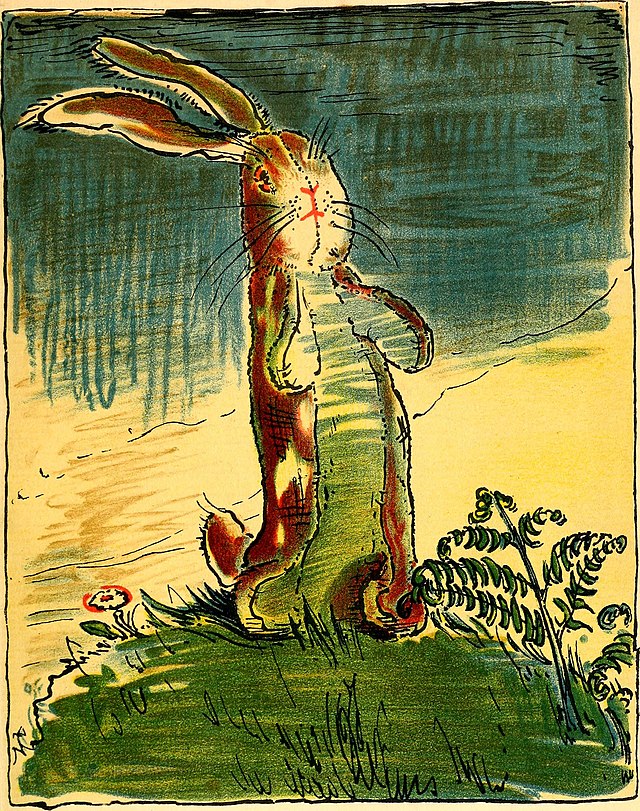
Problematic Children’s Literature
When we talk about culture and the idea that something might be problematic, there are a number of different things that could mean. The ‘problem’ may or may not always be directly in the thing that a creator has produced. Can we enjoy good art (in a broad sense of that word) when it is made by a terrible human? Can we enjoy something that does have a problematic element(s) while acknowledging that is the case? And how does any of this change when we add children into the equation? What should we do with materials that we find individually problematic? Societally problematic?
You’ve probably seen these kinds of questions asked, especially in regard to film, for example, if you recall the Harvey Weinstein/#MeToo moment of a few years ago. Historically, artists, writers, musicians, actors have not always been the most stellar examples of humanity. Good art has been made by people who were murderers, rapists, racists, anti-Semites, homophobes, misogynists, etc. In many art forms, it can be a more complicated question because of how many people it might take to make (again, films are a good example.) We would find we have very little if we limited our cultural intake to only things created by people without any controversy. We are all human and the world is morally complex.
In this module, we’re going to look at a few writers and pieces of children’s literature that have been beloved at one time to think about these questions.
If you’ve never seen this talk before, I encourage you to watch this Ted talk from the Nigerian writer, Chimamanda Ngozi Adichie.


Leave a Reply